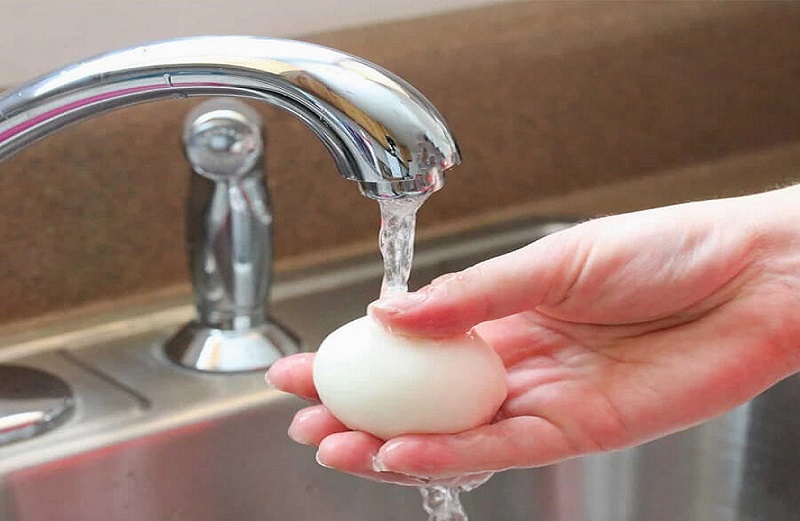
The food consumption pattern in India is gradually getting diversified. Livestock products are of utmost importance in this diversified menu. There are numerous recipes that require eggs to be added but how safe is it to consume eggs without cleaning them? Should the eggs be washed or sanitized before consumption
FSSAI defines Egg as “eggs-in-shell other than broken, incubated or cooked eggs, laid by poultry species or birds meant for direct human consumption or the preparation of egg products.”
Eggs can taste and smell fine, but they may still have harmful microorganisms. Certainly, the dirt on the egg is generally organic material including fecal matter which may have harmful bacteria.
It is important to note that the quality and appearance of eggs depend mostly on storage and the length of the storage period.
Shelf life of an egg: Eggs keep their freshness for up to 10 to 12 days after they have been laid at room temperature of 280 C ±20 C, but the shelf life shortens with higher temperatures. Eggs can lose as much quality in one day at room temperature as compared to the days in the refrigerator.
The risks associated with eggs:
Eggs are among the nutritious foods and can be part of a healthy diet. But there are a lot of risks associated with it and to be safe, eggs must be safely handled as unbroken, clean, fresh.
Shell eggs may have Salmonella enteritidis (SE) bacteria that can cause foodborne illness.
A report was released by Interagency Food Safety Analytics Collaboration (IFSAC) about foodborne illness outbreak sources in the United States in 2019 for Salmonella, Listeria monocytogenes and two other microorganisms. Among the annual reports of IFSAC, this was the first time in which Listeria illnesses were also attributed to either Other Produce or Eggs.
More than 75% of Salmonella illnesses were attributed to seven food categories: Eggs, Chicken, Fruits, Pork, Seeded Vegetables (such as tomatoes), Other Produce (such as nuts), and Turkey.
Is washing or cleaning of eggs necessary?
Before taking a call on whether the eggs must be cleaned or not, we should first have to understand the basics of the egg’s structure.
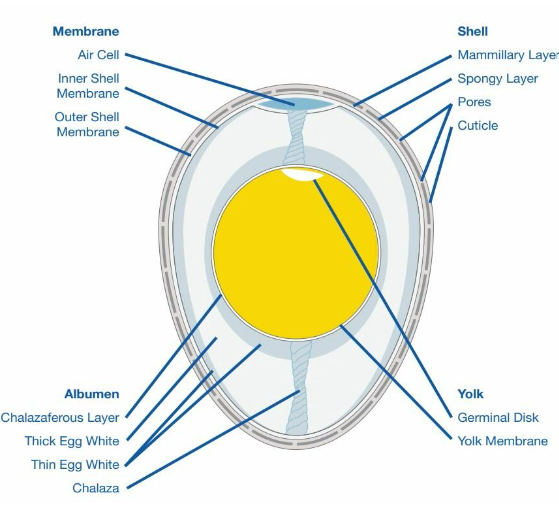
The egg has a cuticle as a topmost layer where it is made of a protein layer that covers the surface of the egg and fills the pores that allow the air inside for the growing chick. The purpose of the cuticle is to prevent the bacteria from entering the egg and to form the first line of defense against infection.
Bacteria can be present on the outside of an Eggshell because the egg exits the hen’s body through the same passageway as feces is excreted.
Considering cuticles, the washing of eggs may damage the cuticle and eventually leave the eggshells porous. This process may affect the eggshell cuticle layer and may allow the harmful bacteria to enter the eggs increasing the risk of contamination as the wash water can seep into the egg through the pores in the shell.
Proper handling of Eggs-
DOs √
DONTs ×
Implementing preventive measures like ensuring a clean and hygienic processing environment along with personal hygiene would reduce the number of infections from eggs.
© 2024 Created with Kumaran Educational Foundation

One Comment
Hi Neat post Theres an issue together with your web site in internet explorer may test this IE still is the marketplace chief and a good component of people will pass over your fantastic writing due to this problem