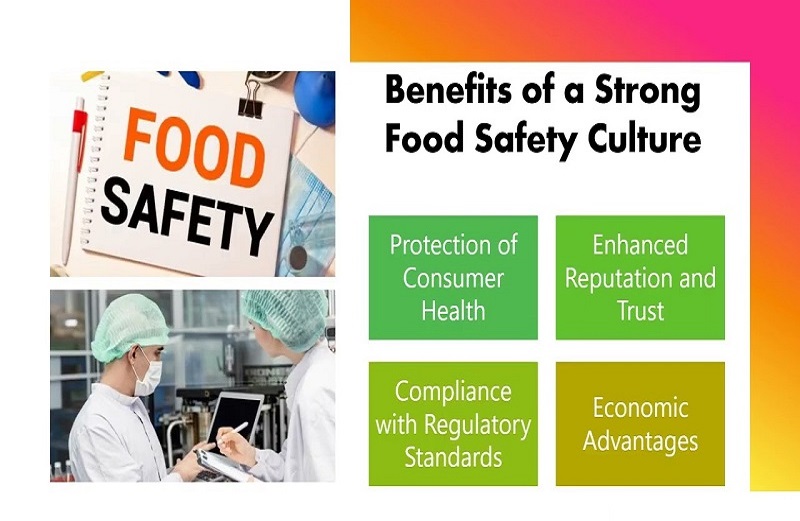
As food chains are getting longer, more complex, and globalized, contamination of food is eventually becoming a global concern. Ensuring safe food for human consumption is likely the most critical part of any organization. Unsafe food leads to diseases and malnutrition. A safe food supply supports the national economies, trade, and tourism, stimulating sustainable development.
The potential impact of food safety outbreaks on a food business or a company can be devastating. A single event of a foodborne disease outbreak can bring unimaginable economic losses. As many still don’t completely understand Food Safety Culture, we can’t afford to dismiss this as a blip.
What is Food Safety?
Food safety refers to the conditions and practices that preserve the quality of food to prevent it from contamination, hazards, and food-borne illnesses.
Basically, it means ensuring the safety of food across the chain from farm to fork. It is achieved by taking care of the process by proper handling, preparing, and storing of food in such a way as to avoid and reduce the risk of disease and illness caused by consuming contaminated food.
What is Food Safety Culture?
Food safety culture, within a food business, is about the values, attitudes, and beliefs of the people regarding Food Safety. It is with a mindset of the people across the organization, where everyone puts food safety as a priority. It requires having a robust process in place to produce safe food.
Food Safety Culture reflects how everyone within the business from top to down thinks and acts to achieve food safety. It represents Behavior based FSMS (Food Safety Management System).
Food Safety culture reflects the correct practices being followed “when no one is watching.”
FSSAI, the Food Safety and Standards Authority of India is taking up a more proactive role to remove negligence of food safety. It aims to integrate people of all age groups to come together and promote safe food. To further boost, the food safety culture in India, FSSAI has released many initiatives. This was done to spread the knowledge of safe food in the home, schools, offices, eateries, religious places, railway stations, etc. Also, Food safety culture is an embedded requirement of the Codex HACCP, and all GFSI (Global Food Safety Initiative) benchmarked quality assurance standards. The GFSI TWG defines food safety cultures as, “shared values, beliefs, and norms that affect mindset and behavior toward food safety in, across, and throughout an organization.”
Why Food Safety Culture?
Customer’s expectations: Customers expect a consistently good quality product. It can help in meeting those expectations.
Monetary loss: It can reduce the risk of food-borne illness and eventually protects the business from economic loss, and damages.
Brand’s Reputations: Food safety issues and complaints can impact the company’s market value and brand reputation. Reducing them by inculcating the food safety culture may Safeguard the brand’s reputation.
Regulatory Compliance: It helps in meeting Statutory and Regulatory compliance.
Supply chain transparency: It helps identify the gaps and potential risks in the supply chain hence bringing transparency along with the opportunities for improvement at all the stages of activities.
Food recall: It reduces the risk of recall by implementing best practices in regular activities and avoiding any food safety issues.
Steps to create a food safety culture:
Little steps towards food safety make a significant difference. It starts from knowing your business, where the business stands now on food safety, and what actions to be taken to bridge the gaps.
Food Safety Culture Assessment:
Methods and tools for assessing and measuring the food safety culture in a manufacturing facility should be employed. It can include a survey that can address food safety. A questionnaire can be prepared for the employees at all levels from the top management to ground workers.
The survey can include statements that can allow assessment of engagement & commitment of management, supervisors, and workers toward making safe food. The degree of agreement or disagreement with each question can be included while performing the assessment. All employees’ language groups should be considered. The questionnaire should be user-friendly; it can be filled out at the individual’s convenience.
Having all employees take part in the survey is important as it represents that everyone contributes to the company’s food safety culture and that food safety is everyone’s responsibility. An assessment can ascertain how management views and approaches food safety culture.
A strong Food Safety culture emphasizes commitment to producing safe food. The seed of food safety culture is sown from the top. All these can be achieved through strong leadership, committed staff, the contribution of all the staff, communicating of the importance of FSMS requirements, taking accountability, imparting Knowledge, taking actions, and continuously improving the FSMS.
In the end, it is all about doing something to improve the culture, even a small step can make a big difference.
© 2024 Created with Kumaran Educational Foundation
